Financing Options
Container Refinancing
Refinance existing container debt to lower your monthly payment, extend your term, or pull equity out as working capital. We work with all container types and most credit profiles.
Rates move. Business conditions change. The deal you closed eighteen months ago might look worse today than it did then, either because rates dropped, because your credit improved, or because you need cash and the equity sitting in your fleet is doing nothing. Refinancing your container debt is not complicated, but most operators do not know it is available until they ask.
We refinance existing loans on storage containers, shipping containers, reefer units, chassis, and mixed fleets. The goal can be any of three things: a lower monthly payment through rate reduction or term extension, a shorter remaining term if you want to pay the debt off faster, or cash out of the equity you have built up in your units. Each of those paths has its own structure, and we will walk you through which one fits before you sign anything.
Refinancing works with the same credit considerations as a new purchase: your current credit profile, time in business, bank statement cash flow, and the value of the collateral. Containers hold value reasonably well in the secondary market, which gives lenders comfort on the collateral side even when credit is not pristine. If your profile has improved since you first financed the units, a refi can capture that improvement immediately.
Rate-and-Term Refi vs. Cash-Out Refi
A rate-and-term refinance pays off the existing loan and replaces it with a new one at a better rate, a longer term, or both. The goal is a lower monthly payment or a faster payoff, not extracting cash. If your original deal was done at a time when your credit was rougher, and your profile has since cleaned up, this is often the first move to make.
A cash-out refinance goes further. You borrow against the current appraised or market value of the equipment, pay off the existing balance, and take the difference as cash. That cash is unrestricted, which means you can use it for more unit purchases, yard improvements, payroll, or anything else the business needs. The trade-off is a higher loan balance and, usually, a slightly higher rate than a straight rate-and-term transaction.
For operators who have paid down a fleet significantly but do not want to do a full sale-leaseback, a cash-out refi threads the needle: you get capital without giving up ownership or taking on new debt from a separate facility.
What Containers Qualify for Refinancing
The equipment needs to have clear title (or a title we can take over by paying off the existing lender) and verifiable market value. Here is how unit type affects eligibility.
- Cargo-worthy ISO containers (20-foot, 40-foot, high-cube): Solid secondary market, well-understood values. These qualify easily for a refi up to current market value.
- One-trip and near-new units: Strong collateral. Refinancing these is straightforward, and lenders often offer the most competitive terms.
- Reefer containers: Refrigerated units carry more value than dry boxes but also depreciate faster if the refrigeration unit is aged. A working reefer system is a material factor in the collateral assessment.
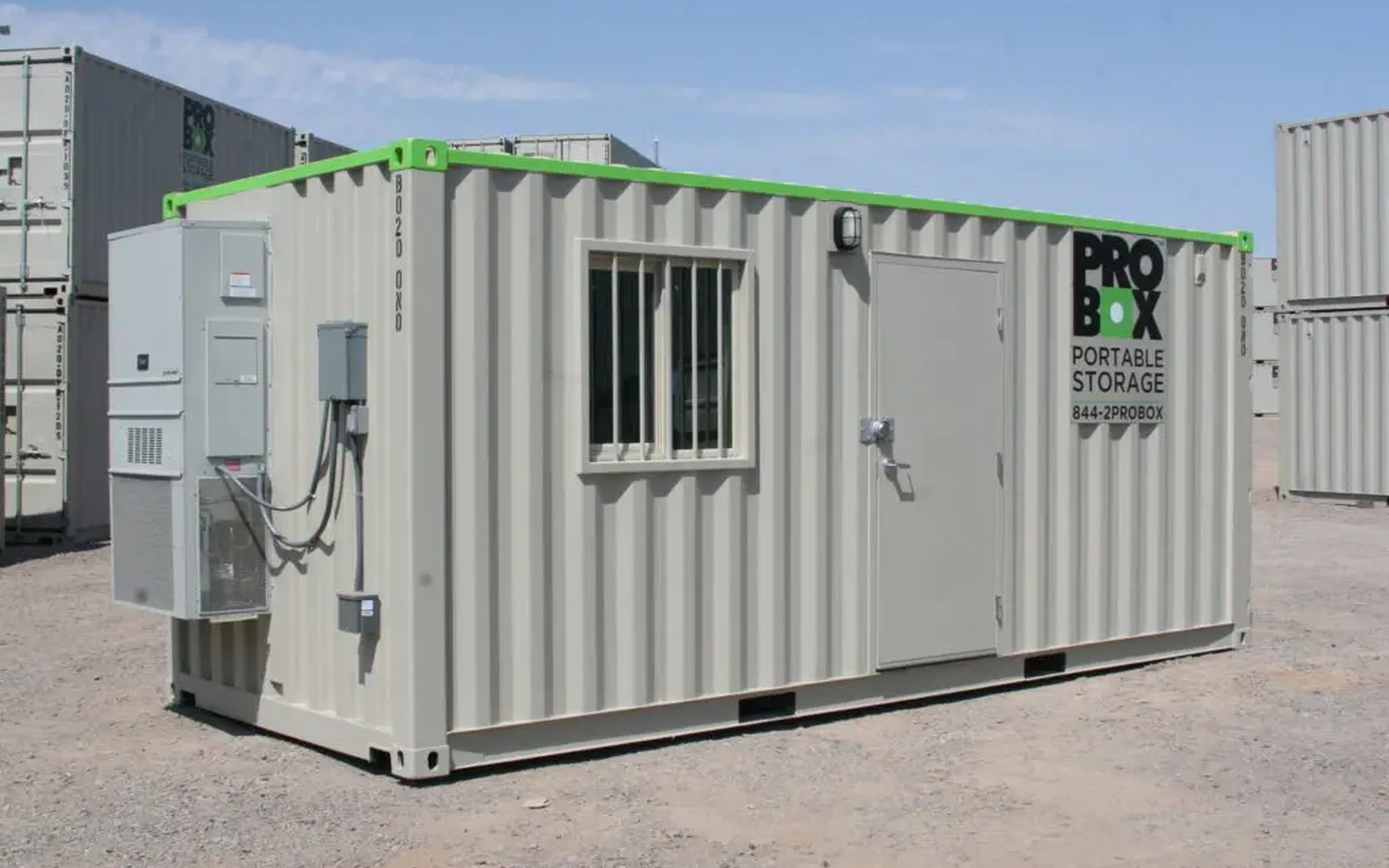
- Modified containers (office containers, workshop units, guard booths): Refinanceable, but the modification adds use-specific value that may not translate directly into a lender's appraisal. We factor in the conversion cost and market for modified units in your area.
- Chassis: Container chassis refinance separately from the boxes they carry. If you have a mixed fleet of boxes and chassis, we can structure a single transaction covering all units.
Units that are wind-and-watertight only (not cargo-worthy) can still be refinanced, but the lower secondary-market value limits how much equity you can pull and may shorten available terms.
Timeline from Application to Funded
Refinancing tends to move faster than a new purchase because there is no seller, no title search on new equipment, and no logistics coordination. The steps: you apply, we pull credit and review three months of bank statements, we get the payoff amount from your current lender, and we close. Funds go directly to the existing lender to satisfy the loan, and any cash-out portion wires to you.
Most straightforward refis close in one to two weeks. More complex situations, larger fleets, partial payoffs, or units with title complications, can take longer. If you are refinancing to free up cash for a time-sensitive purchase, tell us that upfront and we will prioritize accordingly.
If you are not sure whether a refi makes sense given your current balance and remaining term, we can run the math for you. There are situations where the closing costs and term reset do not pencil out, and we will tell you that honestly rather than push you into a deal that does not help your business.
Questions from buyers
What to know before you send the file.
Clear answers on structure, documentation, timing, and equipment eligibility.
Can I refinance a container I still owe on, or does it have to be paid off?
You can refinance a container with an existing balance. That is the point. We pay off your current lender with the new loan proceeds, and you start fresh with new terms. The key is that the unit needs to appraise for enough to cover the existing payoff, ideally with room for cash out if that is your goal.
My original loan was from a leasing company that is now out of business. Can I still refi?
Yes, but it adds a step. We need to locate the lien holder, confirm the payoff amount, and get a proper lien release at closing. This is not unusual in the equipment finance world, and we handle it regularly. It may add a few days to the timeline.
How much equity do I need before a cash-out refi makes sense?
Most lenders will fund up to 80 to 90 percent of the current equipment value in a cash-out transaction. If your fleet is worth $200,000 and you owe $80,000, you have significant equity to work with. If you owe $170,000 on a $200,000 fleet, the cash-out amount after paying off the existing balance is thin and closing costs may eat the benefit.
Will refinancing hurt my credit?
The application involves a credit pull, which is a minor temporary impact. The refi itself closes the old loan (positive, as it shows satisfied debt) and opens a new one. Net credit impact is usually neutral or slightly positive over time if payments are made on schedule.
Container quote desk
Ready to price Container Refinancing?
Send the unit list, seller quote, delivery location, and target timing. We will organize the financing request around the equipment.