Industries Served
Freight and Trucking Companies
Storage and shipping container financing for freight carriers, trucking fleets, and intermodal operators. $50k minimum, Challenged-credit files reviewed, funded in 1-2 weeks.
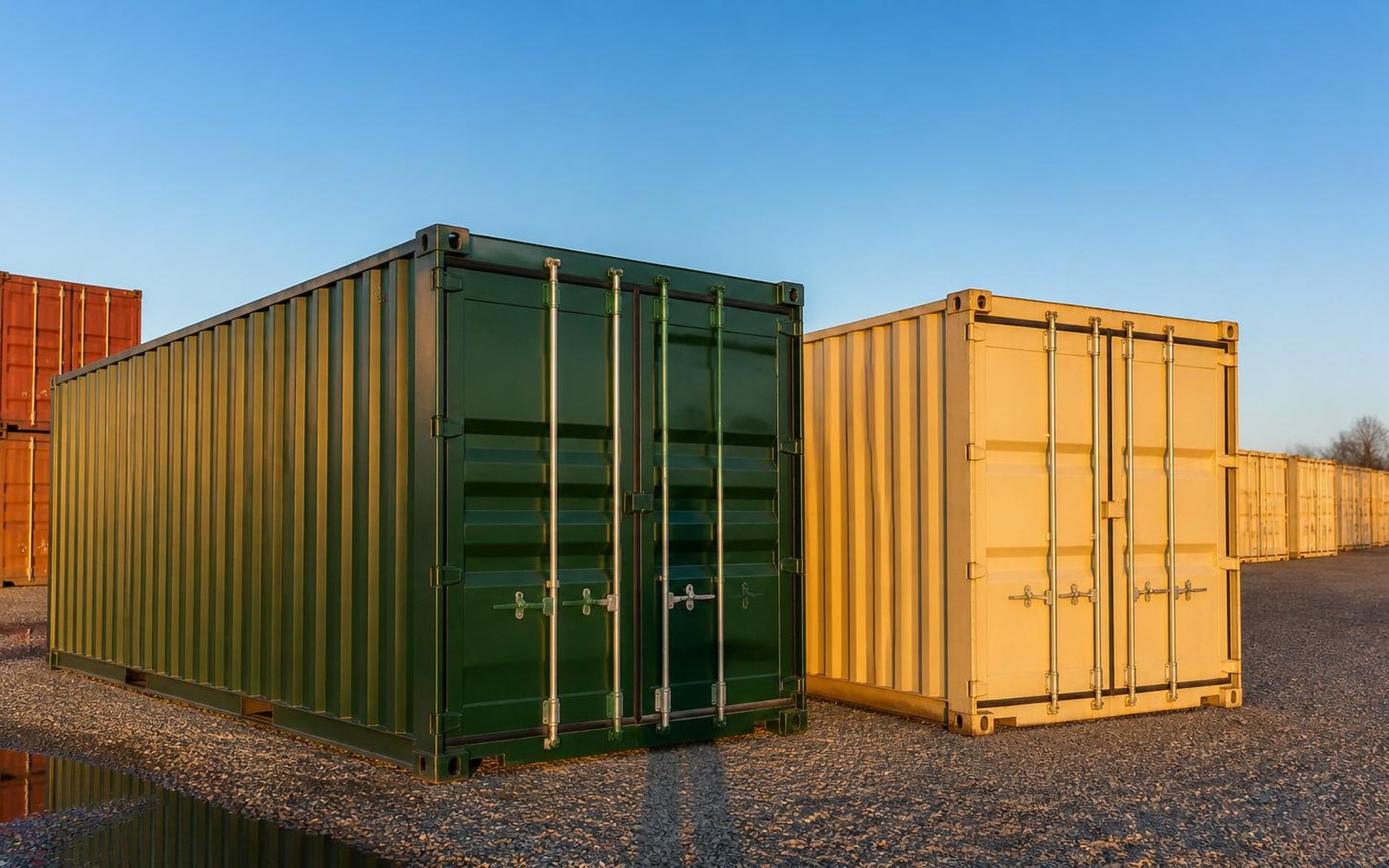
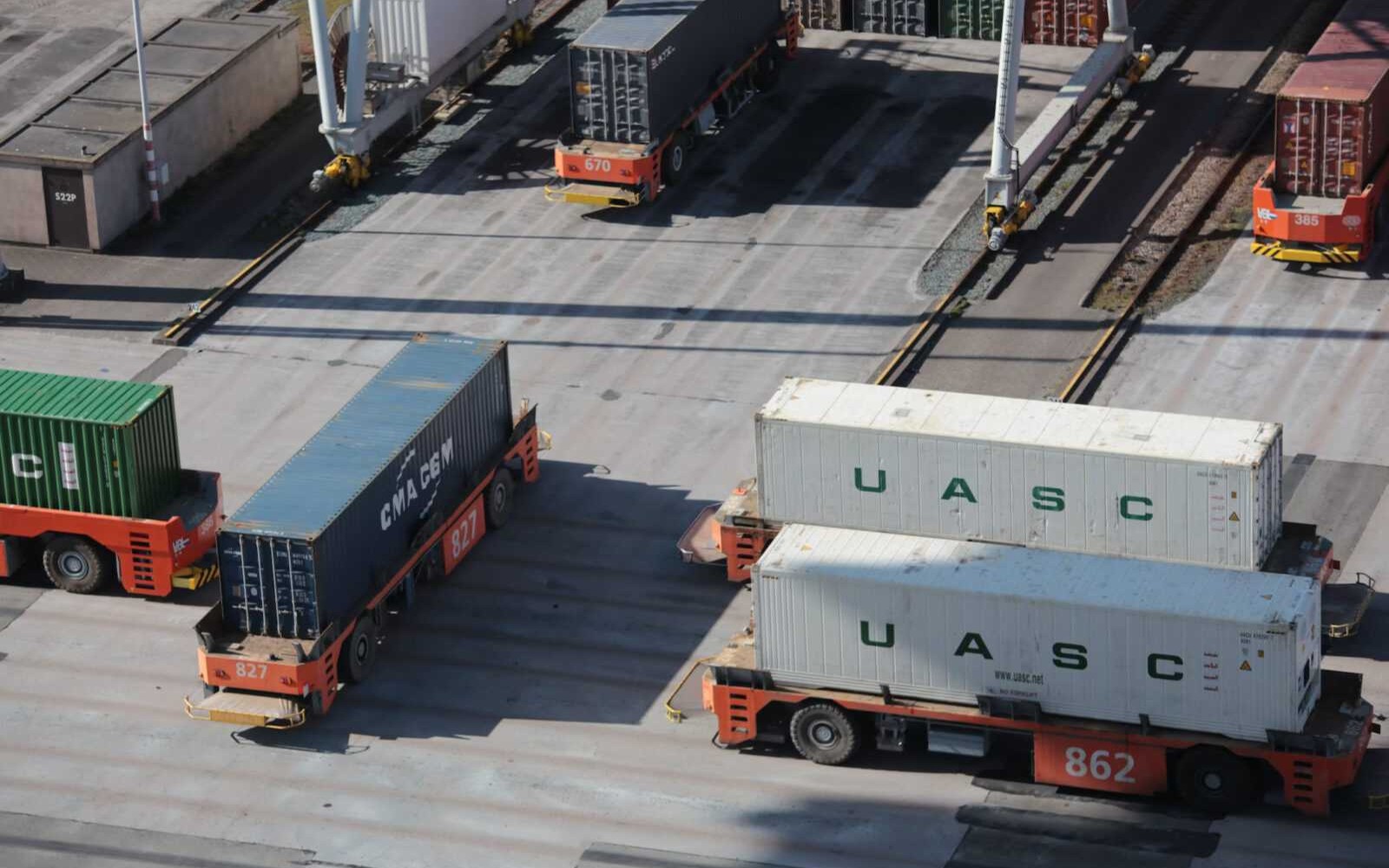
A chassis leaves the port gate with a box on it and the clock starts ticking. Detention fees, empty repositioning costs, chassis pool charges, the whole ugly math of intermodal freight runs on steel, and the carriers who own their own containers instead of renting from a pool know what that math looks like when the numbers work in their favor. We finance boxes for freight and trucking operations, from a single 20-foot dry van you want to dedicate to a recurring lane, all the way up to multi-unit fleets of 40-foot shipping containers and the chassis that carry them.
Trucking companies and freight carriers come to us for a straightforward reason: the banks they use for floor plans and lines of credit don't always understand container assets. They see 'movable equipment' and slow down. We see a steel box with a CSC plate, a corner casting spec, and a verifiable secondary market, and we move fast. Our floor is $50,000, the sweet spot is $100,000 to $150,000 and above, and we fund purchase, refinance, and sale-leaseback on new and used units. non-prime credit is workable. Application-only under approximately $400,000. Three months of bank statements and we can typically close in one to two weeks.
Why Trucking Companies Own Containers
The intermodal freight market runs on availability. A carrier that can drop a box at a shipper's dock and pick it up three days later on its own terms, rather than chasing a pool chassis around a ramp, has a real operational edge. That is why asset-light trucking companies have been moving toward partial ownership of container inventories, particularly on lanes where drayage volume is predictable enough to justify the capital.
The economics are straightforward. A used cargo-worthy shipping container purchased outright, or financed at a low monthly payment, generates revenue across a dedicated lane without a per-diem pool fee eating into the margin. For carriers running regular intermodal corridors out of ports like Savannah, Houston, or Long Beach, that difference adds up faster than most finance people expect.
Flatbed and specialized carriers also come to us for flat rack containers used to move oversized freight. Hazmat and chemical shippers look at ISO tank containers. The common thread is that the trucking company wants to own the asset instead of renting it, and needs a lender who can underwrite a container on its own merits.
What We Finance for Freight Carriers
Dry van containers are the most common request: 20-foot and 40-foot standard height, 40-foot and 45-foot high-cube, one-trip and cargo-worthy used. The distinction between cargo-worthy and wind-and-watertight matters when you are assigning value for financing purposes, and we underwrite accordingly. A one-trip box off the dock in Long Beach holds value differently than a ten-year cargo-worthy unit, and our deal terms reflect that rather than applying a single formula to every box.
For carriers serving temperature-sensitive lanes, we finance refrigerated containers including both the box and the reefer unit. Thermo King and Carrier Transicold units on used 40-foot reefer boxes are common deals. Chassis are also financeable as a separate asset or bundled with the container in a single transaction. A container chassis financed alongside the box simplifies the paperwork and often improves the overall deal structure.
We also handle fleet deals where a carrier wants to add five or ten units in a single transaction. Those get structured as container fleet financing with a single approval and a payment schedule that reflects the full inventory, not five separate small deals eating up your time.
How the Deal Works
The application process for a freight carrier is not complicated. We want three months of business bank statements, a description of the units you are buying (seller, container numbers if available, condition grade, and price), and a completed credit application. For transactions under approximately $400,000 we do not require full financial statements or tax returns; the bank statements and the credit app are enough to make a decision.
Approval typically comes back within 24 to 48 hours. Once approved, we order the lien documentation and wire funds to the seller. Most deals close in one to two weeks from the time you send us the paperwork. If you are buying from a depot or a dealer who has multiple units available and needs to know you are serious before holding inventory, we can move that timeline.
Structures available include a standard equipment loan, an equipment lease with a buyout at term, or a sale-leaseback if you already own containers and want to pull working capital out of the steel you are sitting on. Refinancing existing container debt to lower the payment or extend the term is also straightforward if the units have remaining useful life and the current note is in good standing.
Who Uses This
Owner-operators and small carriers buying their first few owned boxes. Regional trucking companies running dedicated intermodal lanes who want to stop paying pool fees on volume they can predict. Drayage fleets that service a port ramp daily and want units they control on their own chassis. Flatbed carriers moving into intermodal to handle oversized or specialized loads that require a flat rack or an open-top.
We also work with logistics companies that are not pure carriers but own containers for customer storage programs, cross-docking operations, or overflow yard capacity. The credit profile matters less than the business reality: if you have revenue, three months of clean bank statements, and a box you want to buy, we can almost certainly put a deal together. non-prime credit is common in this industry and we are not surprised by them.
Carriers based near major ports in Houston, Savannah, and Newark are the most frequent buyers, but we fund deals nationwide. If you are far from a port depot and buying from a private seller or inland dealer, private-party purchases work the same way as dealer transactions through us.
Questions from buyers
What to know before you send the file.
Clear answers on structure, documentation, timing, and equipment eligibility.
Can I finance containers I am buying from another carrier or a private party, not a dealer?
Yes. Private-party purchases are handled the same way as dealer transactions. We need the seller's information, the container specifications and condition, and the agreed purchase price. We fund the seller directly.
I already own several containers with no debt on them. Can I pull cash out?
A sale-leaseback is the right structure for that. We buy the containers from you at an agreed value, then lease them back to you at a monthly payment. You keep using the boxes, and you get working capital in the account. We look at the containers' age, condition grade, and current market values to set the advance amount.
Does the chassis need to be financed separately, or can I do the box and chassis together?
We can bundle both in a single transaction. A container plus chassis deal gets one approval, one payment, and one set of documents. Simpler than running two separate applications.
My trucking company had a rough year and my credit score took a hit. Is this still possible?
non-prime credit is common in this industry and we underwrite deals for carriers with credit blemishes regularly. Three months of bank statements showing active business revenue matter more than a clean score. We are not going to fund a company with no cash flow, but a bad score alone is not a rejection.
How many containers can I finance in one transaction?
There is no unit cap. Fleet deals with ten or more units are structured as a single approval. We size the deal off total value, business revenue, and credit, and issue one term sheet covering the full inventory.
Container quote desk
Ready to price Freight and Trucking Companies?
Send the unit list, seller quote, delivery location, and target timing. We will organize the financing request around the equipment.