Financing Options
Sale-Leaseback Financing
Sell your containers to a lender, lease them back, and keep operating while freeing up capital. Container sale-leasebacks from $50k. Challenged-credit files reviewed.
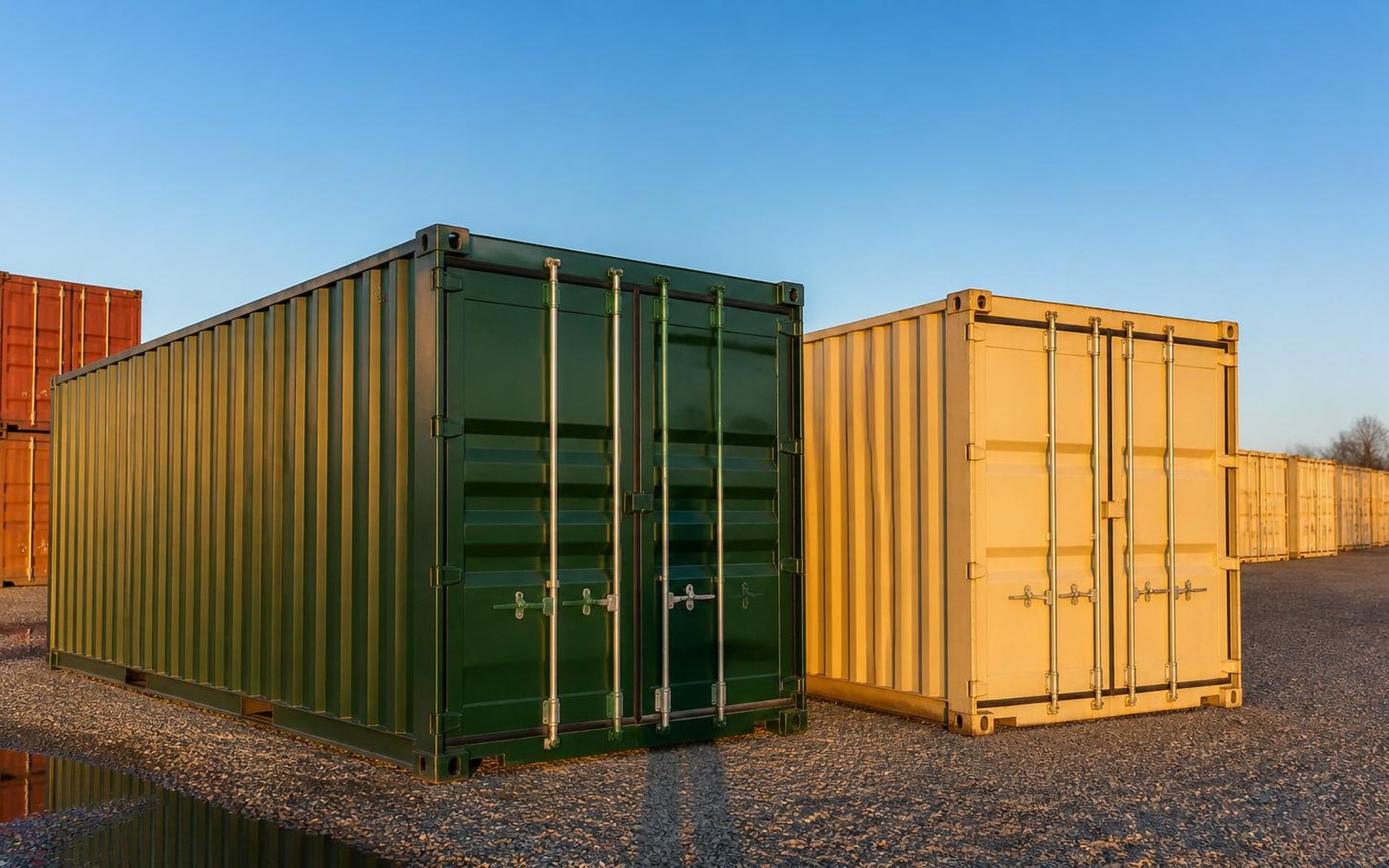
Forty containers sitting in your yard, fully paid off, generating rental income every month, and your operating account is thin because you just took on a new territory and the revenue has not caught up yet. The steel is working. The cash is not. A sale-leaseback converts that paid-off fleet into capital without moving a single box or interrupting a single rental agreement.
Here is how it works: you sell your containers to a financing company at current market value. They lease the units back to you immediately, on a term and payment schedule you agree to upfront. You keep running the fleet exactly as before. Your customers do not know or care about the title change. You walk away from closing with a lump sum of capital and a new monthly lease payment that is almost always lower than what you would have paid on a conventional loan for the same amount of cash.
Sale-leasebacks are one of the cleanest capital tools in equipment finance, and containers are well-suited to the structure because they have transparent secondary market value, clear title, and predictable maintenance costs. We do sale-leasebacks on single-unit transactions up through full fleet deals, from $50,000 to several million, on cargo-worthy and one-trip units across all standard sizes.
Situations Where a Sale-Leaseback Makes Sense
The structure is more flexible than most operators realize. Here are the scenarios we see most often.
- Growth capital without new debt: You need cash to buy more units, expand into a new market, or hire, but your bank credit line is tapped. The fleet you already own becomes the source of capital, and the new lease payment is covered by the revenue those same units generate.
- Working capital crunch: Seasonal dips, a big receivable that has not cleared, or a sudden expense can squeeze the operating account. A sale-leaseback on a handful of paid-off boxes generates fast cash without a business line of credit or a bank relationship.
- Tax positioning: Depending on your situation, converting an owned asset to an operating lease may change how the expense is treated for tax purposes. The full lease payment may be deductible rather than only the depreciation and interest components of a loan. Talk to your accountant before making decisions based on tax treatment alone.
- Fleet operators in portable storage rental and moving and storage companies who have built up equity in a large fleet and want to redeploy that capital into additional units or trucks.
The Transaction from Start to Funded
The sale-leaseback process has more moving parts than a standard loan, but it follows a predictable sequence. Here is what to expect.
First, we establish the current market value of your containers. For standard ISO units, 20-foot and 40-foot dry boxes, high-cubes, and reefers, market value is well-documented and the assessment moves quickly. For modified units, office containers, or highly specialized equipment, we may need more detail on the specific configuration. The lender funds based on a percentage of that value, typically 80 to 90 percent for clean cargo-worthy units.
Second, we structure the leaseback: term, monthly payment, and end-of-term option (buy back at a fixed price, return the units, or renew the lease). Most container operators build in a buyback option at a pre-agreed price so they can reacquire title at term end without a market-price negotiation.
Third, the sale closes. Title transfers to the financing company, you receive the capital, and the lease starts simultaneously. The whole sequence from application to funded typically takes two to three weeks for a standard fleet deal. If your containers have clean title and you have your three months of bank statements ready, we can move faster.
If you are carrying debt on the units you want to leaseback, the existing lien must be paid off as part of the transaction, either from the leaseback proceeds or from other funds. A pure sale-leaseback requires clear title. If there is existing debt to address first, we can sometimes combine the refi and the leaseback into a single transaction.
How Sale-Leaseback Compares to Other Structures
A cash-out refinance and a sale-leaseback both generate capital from existing equipment equity, but they work differently. In a cash-out refi, you keep title and pay down a loan. In a sale-leaseback, you transfer title and pay a lease. The cash-out refi leaves the asset on your balance sheet; the leaseback takes it off. Monthly payments are often lower on a leaseback because the lessor retains residual value exposure.
A container refinance lowers your rate or extends your term but does not maximize cash extraction. If the goal is maximum capital from the fleet, a sale-leaseback typically delivers more because it is priced against full market value, not just the equity above your existing debt.
For operators considering larger capital moves involving full fleet financing, we can model multiple structures side by side before you commit to any of them.
Questions from buyers
What to know before you send the file.
Clear answers on structure, documentation, timing, and equipment eligibility.
Do my container rental customers find out about the sale-leaseback?
No. The title change is between you and the financing company. Your customers continue renting from you under the same agreements they already have. Nothing changes in their relationship with your business. The only change on your end is who holds title and to whom you make the monthly lease payment.
Can I do a sale-leaseback on used wind-and-watertight containers, not just cargo-worthy units?
WWT units are harder to place because the secondary market is thinner and lenders get less collateral comfort. It can work when unit value and modification quality support the advance, particularly if the units are higher-value modifications. For a fleet of standard WWT boxes, the advance rate will be lower than on cargo-worthy units and the lease payments higher relative to the capital received.
What happens at the end of the lease term?
You have the options you negotiated upfront. Most operators build in a fixed-price purchase option so they can buy the containers back at a known number. Others prefer to return the units if they want to upgrade the fleet. Some renew the lease if the payment fits and they are not ready to reacquire title. The end-of-term structure is agreed on at closing, not left open-ended.
Is a sale-leaseback reported differently on my financial statements?
Under current accounting standards (ASC 842 for US GAAP), sale-leaseback treatment on the balance sheet depends on whether the sale qualifies as a true sale under the standard. If it does, the asset and related debt come off your balance sheet, and you recognize a lease liability and right-of-use asset. The specifics depend on your accounting method and the lease terms. Work with your accountant to understand the reporting impact before closing.
How many units do I need for a sale-leaseback to be worth doing?
Our minimum transaction is $50,000, which on standard 20-foot cargo-worthy units might be 8 to 12 boxes depending on market value. There is no maximum. Larger fleets are actually easier to leaseback because the lender gets better collateral diversification and the economics are cleaner. Single-unit transactions are possible but require the value to hit the minimum threshold.
Container quote desk
Ready to price Sale-Leaseback Financing?
Send the unit list, seller quote, delivery location, and target timing. We will organize the financing request around the equipment.