Financing Options
Equipment Lease
Lease storage containers and container fleets instead of buying outright. Lower monthly payments, off-balance-sheet options, and flexible end-of-term choices. We fund from $50k.
Reefer units on a cold-chain contract, a stack of one-trip 40-footers for a major construction site, a row of office containers for a municipality project, and the contract lasts two years. You do not need to own that equipment in perpetuity. You need it working on-site, generating revenue, without a six-figure capital commitment tying up your credit line for the next five years. That is where a lease structure earns its keep.
An equipment lease separates the use of the box from the ownership of the box. You pay for the period you need it, return or purchase at the end, and preserve cash and borrowing capacity for the rest of your operation. Done right, a lease can also keep the liability off your balance sheet, which matters if you carry business credit lines or have covenants on other debt.
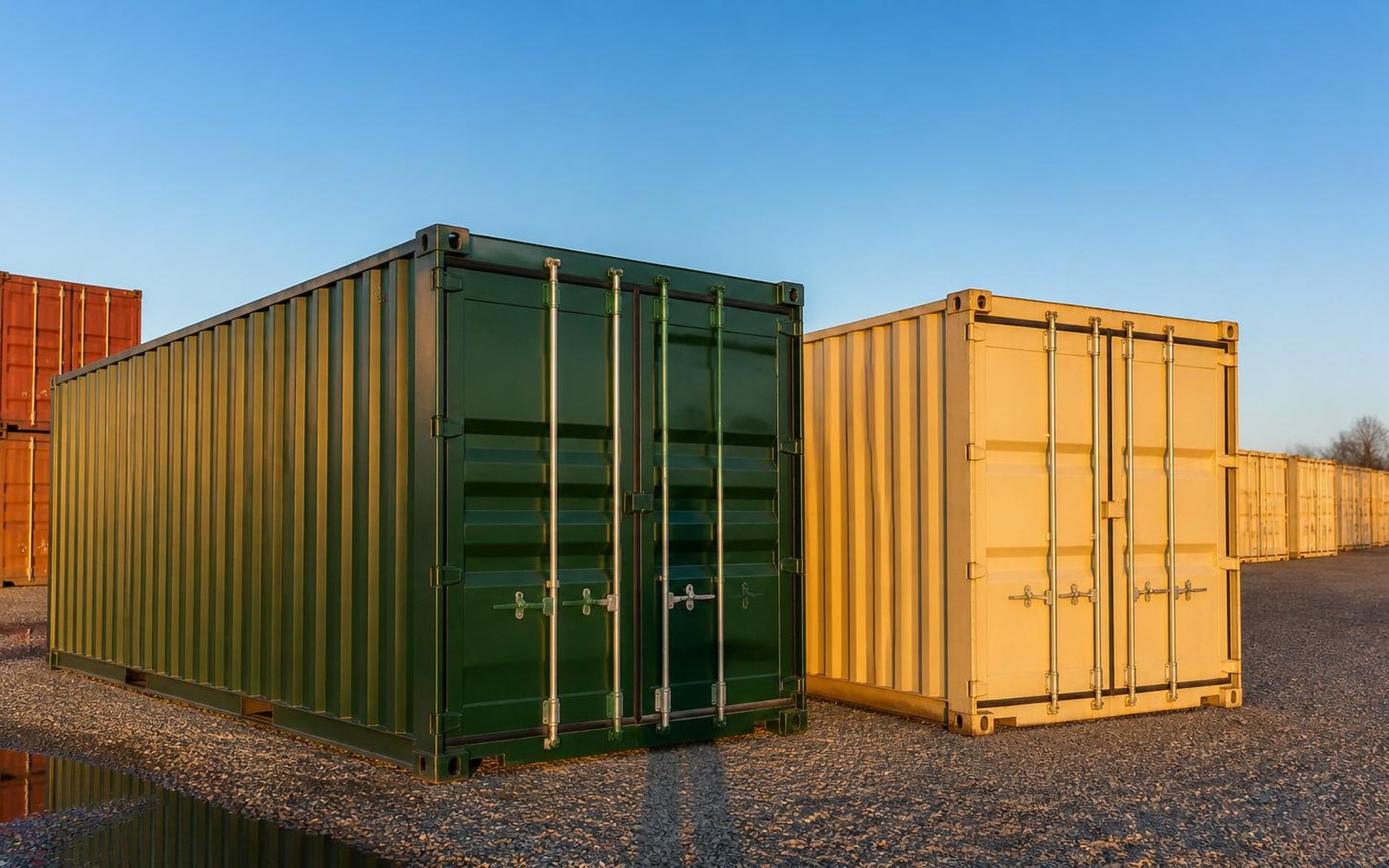
We structure container leases from $50,000 up, across the full spectrum of unit types: standard 20-foot and 40-foot boxes, 40-foot high-cubes, refrigerated reefer containers, modified units, and multi-unit fleets. Terms typically run two to seven years. The end-of-term option, buy at fair market value, return the unit, or renew, is negotiated upfront.
Who Uses a Container Lease
Not every container buyer is a hold-forever operator. Some buy for a project, some rotate inventory as fleet needs shift, some work on contracts where the client might take ownership at the end. A lease fits well when any of these conditions apply.
- Project-specific deployments: Site trailers and office containers on a fixed-term construction job. The lease term matches the project timeline.
- Rental fleet operators who cycle inventory and prefer returning off-trend sizes rather than sitting on units that are hard to re-rent.
- Companies with balance-sheet constraints: An operating lease, properly structured, keeps the asset and liability off your books. Whether that treatment applies depends on your accountant and the specific lease terms.
- Cold-chain operators running cold storage and food distribution businesses where reefer technology evolves and you want the option to upgrade units at lease end, not maintain older equipment indefinitely.
- Startups and thin-file companies that want to conserve capital and prefer smaller monthly payments over a large down payment and full ownership exposure from day one.
Payment Structure and End-of-Term Options
Container leases come in a few flavors, and the structure changes the payment, the tax treatment, and what happens when the term ends.
A $1 buyout lease functions almost like a loan: you pay a fixed stream of payments and take title for one dollar at the end. Monthly payments are higher than a fair-market-value lease but you get full depreciation benefits and guaranteed ownership. Best for buyers who know they want the box long-term but prefer the lease structure for other reasons.
A TRAC lease (Terminal Rental Adjustment Clause) sets a residual value at the start. At the end of the term, if the equipment sells for more than the residual, you get the overage; if it sells for less, you owe the difference. TRAC leases are typically used for chassis and transport equipment rather than stationary containers, but they come up in mixed fleet situations.
A fair-market-value (FMV) lease sets the lowest monthly payment because you are not paying down the full cost of the box. At term end, you can buy at current market value, return the unit, or renew. FMV leases work well for companies that want the cash flow benefit of low payments and are comfortable with the uncertainty of a future purchase price.
Approval and Documentation
Lease approvals look at the same factors as loan approvals: credit profile, time in business, and cash flow. The collateral is the container itself, which provides the lender a clear exit if the lease goes sideways. That security tends to make container leases accessible even for borrowers with non-prime credit.
For transactions under roughly $400,000, application-only financing is often available. You fill out a one-page app, we pull credit, and decisions come back in one to three business days. No tax returns, no business financials. Larger deals will require three months of bank statements and sometimes a profit-and-loss statement. We do not require a CPA-reviewed package for most container transactions in our typical deal range.
If your credit has taken hits, it is worth looking at our non-prime credit financing programs specifically. Container lessees with challenged credit can often close at a slightly higher monthly payment with a larger advance payment or security deposit rather than being turned away outright.
Questions from buyers
What to know before you send the file.
Clear answers on structure, documentation, timing, and equipment eligibility.
Can I modify a leased container, or does it have to be returned in original condition?
Modification rights are negotiated at lease origination. Some lessors allow modifications with a removal-or-restoration clause at lease end; others restrict changes entirely. If you know you will need to add rollup doors, windows, or HVAC, tell us before we structure the lease so we find a lender and terms that accommodate it.
What is the tax difference between leasing and buying a container?
With an equipment loan or $1 buyout lease, you typically depreciate the asset and deduct interest. With an operating lease, the full payment may be deductible as a business expense, and the asset stays off your balance sheet. The specifics depend on how the lease is classified under current accounting rules and your tax situation. Talk to your accountant before choosing a structure based on tax treatment alone.
Can I add containers to an existing lease during the term?
Yes, through a master lease line. A master lease lets you add units under the same credit approval and terms framework without renegotiating the whole deal each time. If you plan to scale your fleet, mention that upfront and we will structure a line rather than a one-off transaction.
What happens if the container is damaged or destroyed during my lease?
You are responsible for insuring the unit for its replacement value during the lease term. Most commercial property policies cover equipment leases; you will need to list the lessor as additional insured or loss payee. If the unit is totaled, your insurance pays out and the lease is resolved from those proceeds.
Is there a minimum term for a container lease?
Most equipment lessors prefer a minimum of 24 months to make the deal economics work. Shorter terms, 12 to 18 months, are sometimes available but typically carry higher monthly payments to compensate the lessor for the abbreviated amortization and remarketing exposure.
Container quote desk
Ready to price Equipment Lease?
Send the unit list, seller quote, delivery location, and target timing. We will organize the financing request around the equipment.